
Coenzyme Q10 and Heart Function
Heart function suffers considerably in patients with heart failure. The syndrome heart failure is associated with a loss of functional capacity and a diminution of [...]
Low energy syndrome disorders have different origins. Mitochondrial dysfunction, increased oxidative stress, and elevated inflammation characterize these disorders. Supplementary Coenzyme Q10 improves mitochondrial function and reduces oxidative stress and chronic inflammation.
Statin medications lower both cholesterol and Coenzyme Q10 levels in plasma and muscle tissue. Low CoQ10 levels increase the risk of mitochondrial dysfunction. CoQ10 supplementation helps mitochondrial function and does not affect the efficacy of statin medications.
CoQ10 supplementation can indirectly benefit obese individuals. CoQ10 improves mitochondrial function and ATP energy generation. CoQ10 acts as an important antioxidant and anti-inflammatory agent. Accordingly, CoQ10 supplementation may help in the management of obesity.
Patients in critical care need adjuvant Coenzyme Q10 treatment. Plasma CoQ10 levels are significantly lower in patients receiving critical care, both patients with septic shock and patients without septic shock. CoQ10 supplementation reduces oxidative stress and inflammation.
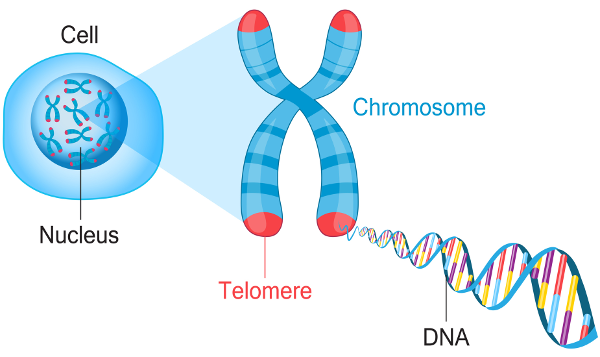
Telomere shortening is a natural part of getting older. Mitochondrial dysfunction, oxidative stress, and systemic inflammation at the cellular level can accelerate telomere shortening. CoQ10 supplements may help slow the process of telomere shortening.
With increased age comes free radical-induced cellular damage, common in normal aging and in neurodegenerative disorders. Both aging and neurodegenerative disorders adversely affect cognitive function. Information processing and memory are affected. CoQ10 supplements may help.
Mitochondrial dysfunction, increased oxidative stress and inflammation, immune dysregulation, and telomere shortening characterize low energy syndrome disorders. CoQ10 supplements help the management of chronic fatigue syndrome, fibromyalgia, long COVID, and Gulf War Illness
In heart failure patients, adjuvant treatment with Coenzyme Q10 adds something positive to the standard medicinal treatment. CoQ10 (3 x 100 mg daily) boosts mitochondrial ATP energy generation. Improved ATP energy generation improves the contractility of the heart muscle tissue.
Coenzyme Q10 promotes normal mitochondrial function and functions as a lipid-soluble antioxidant and an anti-inflammatory agent. CoQ10 supplements protect against the damaging effects of exposure to various environmental toxins known collectively as xenobiotics.