
Coenzyme Q10 and NAD+ Boosters and Less Fatigue
Coenzyme Q10 (CoQ10) has been available in supplemental form for more than 40 years. The availability of supplemental NAD+ (nicotinamide adenine dinucleotide) boosters is a [...]
Coenzyme Q10 is essential for normal mitochondrial function and is important as a lipid-soluble antioxidant and as an anti-inflammatory agent. Adjuvant use of CoQ10 supplementation can help manage rheumatoid arthritis and fibromyalgia without any adverse effects.
Coenzyme Q10 supplementation in the ubiquinone form has well-documented heart health benefits. A recent research review shows that ubiquinone may have similar beneficial effects as an adjunctive therapy in patients with chronic fatigue syndrome, fibromyalgia, and long Covid.
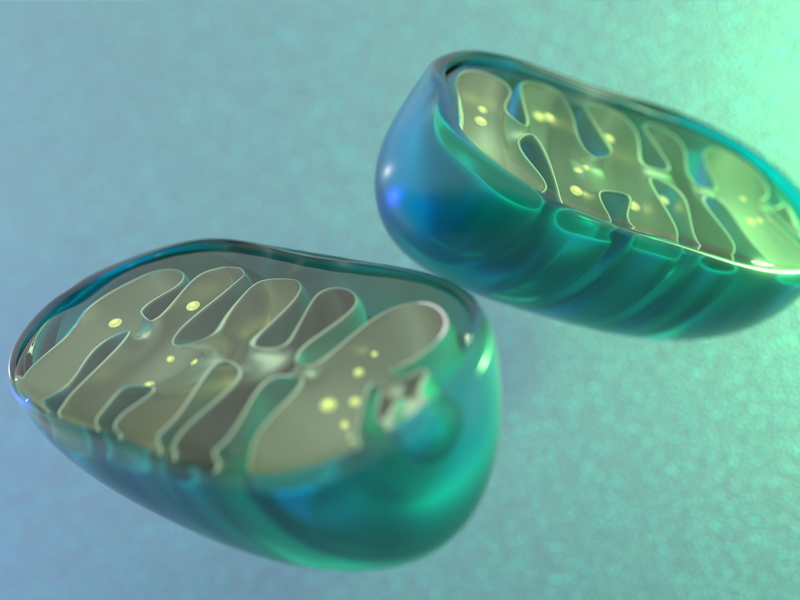
Mitochondria are the tiny bean-shaped micro-organs in our cells. They take the glucose from our food and convert it into ATP energy molecules. Coenzyme Q10 is an essential component in this process of ATP energy generation.
Supplementation with Coenzyme Q10 increases plasma and leg muscle tissue CoQ10 levels, improves exercise performance and exercise recovery, and does not adversely affect the body’s own synthesis of Coenzyme Q10. CoQ10 is associated with lower levels of muscle and kidney damage.
Normal healthy adults have a CoQ10 status of about 1 mg/L of blood plasma. Heart failure patients benefit from treatment with CoQ10 to raise the plasma level to at least 2.5 mg/L. Aging, mutation in genes, oxidative stress, and statins can all affect the bio-synthesis of CoQ10.
In answer to a question, ChatGPT says the potential health benefits of Coenzyme Q10 supplementation are better cellular energy production, heart health, antioxidant defense, migraine prevention, exercise performance and recovery, neurological health, and diabetes management.
Mitochondrial dysfunction, oxidative stress, and inflammation are all factors in the development and progression of Multiple Sclerosis. Adequate Coenzyme Q10 intake is needed for normal mitochondrial function, for antioxidant defense, and for protection against inflammation.
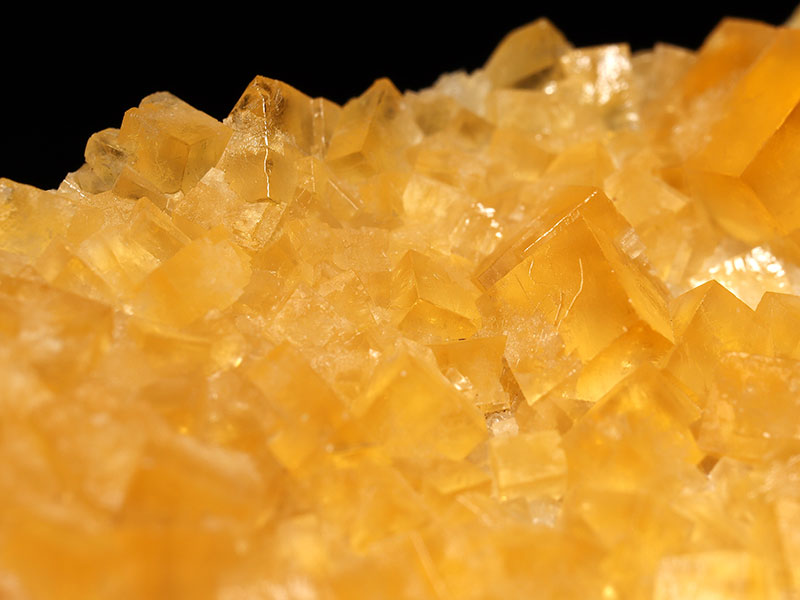
CoQ10’s melting point is about 118 degrees Fahrenheit, much higher than body temperature. Below 118 degrees, CoQ10 clumps together into crystals. We cannot absorb CoQ10 crystals; we can only absorb single molecules. For absorption, the CoQ10 supplement formulation is important.
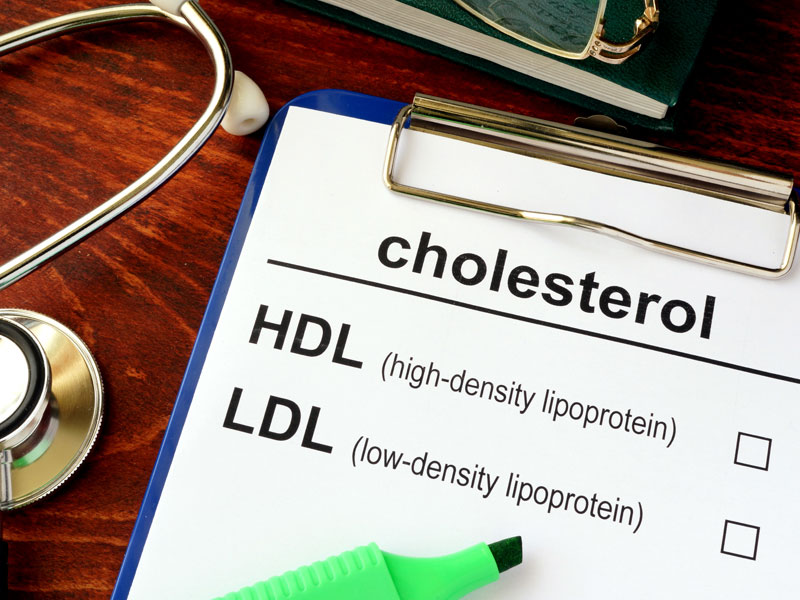
Coenzyme Q10 and red yeast rice supplements are a good combination for lowering cholesterol. Monacolin K in red yeast rice supplements inhibits the body’s synthesis of cholesterol. Coenzyme Q10 is important for ATP energy generation and for antioxidant protection.