

Coenzyme Q10 and Cardiovascular Diseases
What is the rationale for the use of Coenzyme Q10 (CoQ10) in the treatment of cardiovascular diseases? Worldwide, cardiovascular diseases are the number one cause [...]
What is the relationship between coenzyme Q10 status and autoimmune diseases? As many as 90 autoimmune disorders have been described in the medical literature. [...]
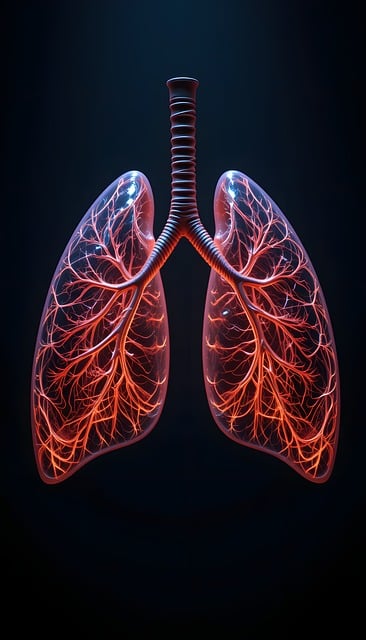
What are the main types of respiratory disorder? Respiratory disorders are broadly divided into obstructive disorders, restrictive disorders, respiratory infections, and respiratory related vascular disease. [...]
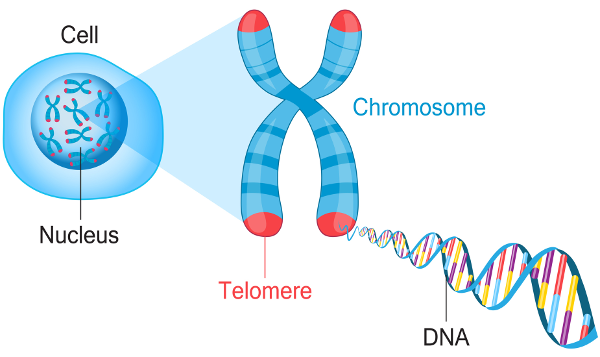
Coenzyme Q10 promotes the normal functioning of stem cell mitochondria. CoQ10 helps to provide the energy needed for stem cell proliferation. CoQ10 acts as an antioxidant to protect stem cells. CoQ10 helps to slow down the shortening of stem cell chromosome telomeres.
Elderly individuals are more susceptible to oxidative stress. As we age, the level of CoQ10 in the blood decreases. There is a shift in CoQ10 redox status toward more oxidized CoQ10. The altered CoQ10 redox state is associated with a higher risk of all-cause mortality.
Supplementation with CoQ10 and NAD+ boosters is important for middle-aged and older adults. They experience age-related declines in the synthesis of both substances. Then, there is increased mitochondrial dysfunction, oxidative stress, and chronic low-grade inflammation.
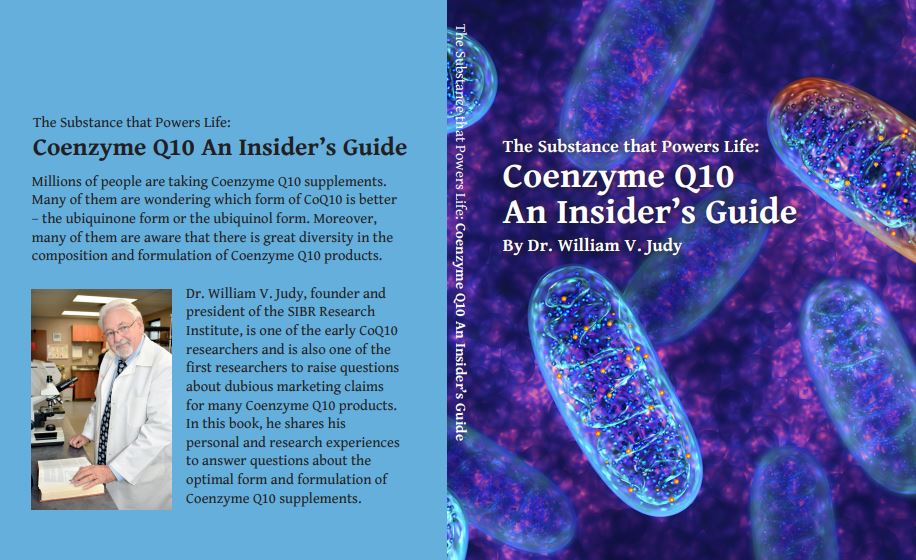
Why is the important vitamin-like substance Coenzyme Q10 not easily absorbed from supplements? In his book Coenzyme Q10: The Substance That Powers Life, the renowned [...]
How to improve the absorption and bioavailability of oral Coenzyme Q10 supplements? The problem for manufacturers of CoQ10 supplements is CoQ10’s extremely low water solubility. [...]
Telomere length is an indicator of the extent to which we are aging biologically. Telomere shortening occurs naturally as we get older. Shortened telomeres are [...]