

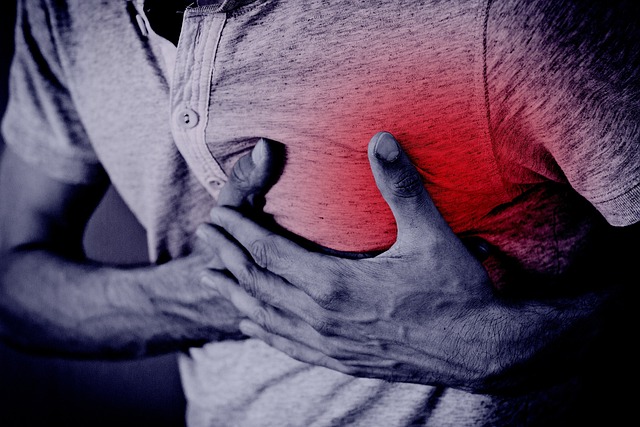
Heart function suffers considerably in patients with heart failure. The syndrome heart failure is associated with a loss of functional capacity and a diminution of quality of life. Heart failure is associated with increased risk of death. There is a need for alternative treatments in addition to conventional heart failure medication [Bodea 2025].
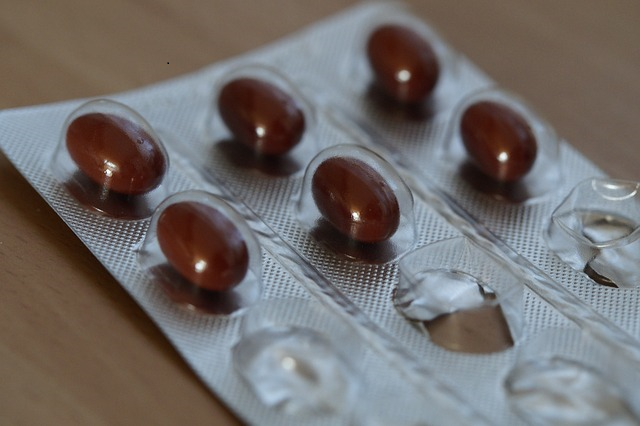
Properly formulated CoQ10 supplements can improve heart function. It is important to buy a CoQ10 product with scientifically documented absorption and bioavailability.
Coenzyme Q10 (CoQ10) plays a double role in improving the symptoms and survival of heart failure patients [Mortensen 2014]. Sufficient CoQ10 is essential for mitochondrial ATP production in heart muscle tissue. CoQ10 is also an important antioxidant that neutralizes harmful free radicals (reactive oxygen species). In heart muscle tissue, the CoQ10 antioxidant protection reduces the oxidative damage to the mitochondrial DNA, to the heart’s contractile proteins, and to the heart’s cell membranes in the heart [Bodea 2025].
Studies of CoQ10 Therapy and Heart Failure
In the Morisco study, the Q-Symbio study, and the KiSel-10 study, all summarized below, supplementary CoQ10 has shown promising results.
Now, in 2025, Bodea et al report the results of a randomized controlled trial that investigated the effects of CoQ10 adjuvant treatment in heart failure patients. The researchers randomly assigned 120 patients to receive CoQ10 (2 × 60 mg daily) or a placebo for six months [Bodea 2025].
At the conclusion of the 6-month study, the CoQ10 treatment group showed significant improvements in the following measurements compared to the placebo group[Bodea 2025}:
- Global Longitudinal Strain
- NT-proBNP levels
- Blood pressure
- 6-minute walk test distance
In the CoQ10 group, there was also slight but not statistically significant improvement in left ventricular ejection fraction. The ejection fractions remained unchanged in the placebo group [Bodea 2025].
Note: Global Longitudinal Strain is an echocardiographic measurement of the extent of deformation of heart muscle tissue. GLS measures how well or how less well heart muscle fibers are contracting. GLS detects left ventricular dysfunction.
Note: NT-proBNP levels measure how much N-terminal pro-B-type natriuretic peptide is in the blood. More NT-proBNP is released when the heart muscle is having trouble pumping blood efficiently. Higher levels of NT-proBNP in the blood is a sign of heart failure.
Earlier Studies of CoQ10 Treatment and Heart Function
Morisco study
In Italy, Morisco et al randomly assigned patients who were receiving conventional medical treatment for heart failure to a placebo group (n = 322, mean age 67 years) or to a CoQ10 group (n = 319, mean age 67 years). The patients in the active treatment group received a daily dose of 2 mg CoQ10 per kg body weight for one year in a double-blind trial [Morisco 1993]. That dosage corresponds roughly to 150 mg CoQ10 per day.
Adding CoQ10 to conventional heart failure therapy had the following significant health outcomes:
- Reduced need for hospitalization for worsening of heart failure
- Reduced incidence of serious complications in patients
Q-Symbio study
In a two-year multi-national clinical trial, Mortensen and a team of cardiologists randomly assigned 420 patients on standard heart failure therapy to adjuvant CoQ10 treatment 100 mg three times daily or placebo three times daily.
The Q-Symbio study outcomes showed that the long-term CoQ10 adjuvant treatment of patients with chronic heart failure is clinically effective and cost-effective:
- CoQ10 is safe for heart failure patients.
- CoQ10 improves the symptoms of heart failure.
- CoQ10 reduces the risk of major adverse cardiovascular events.
KiSel-10 study
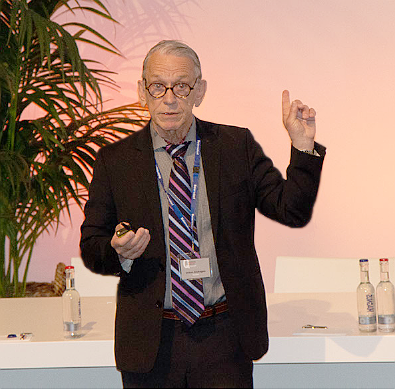
Prof. Urban Alehagen’s KiSel-10 study showed that daily supplementation with CoQ10 and selenium reduced cardiovascular mortality and improved heart function, compared with matching placebos.
In a four-year study in Sweden, Prof Urban Alehagen and a team of researchers randomly assigned 443 community living elderly individuals (average age: 78 years) to a placebo group or to an active treatment group. The active treatment consisted of 2 x 100 mg CoQ10 and 200 mcg selenium daily. The KiSel-10 study results showed the following significant health benefits of the combined treatment, compared to placebo [Alehagen 2018]:
- Reduced cardiovascular mortality lasting eight years after the end of the study
- Reduced cardiovascular mortality in individuals with diabetes, hypertension, ischemic heart disease, and impaired functional capacity
- Improved heart function recorded via echocardiography
- Reduced levels of NT-proBNP peptides
- Lower levels of oxidative stress and inflammation biomarkers
Conclusions: CoQ10 Supplementation Improves Heart Function
These findings from the 2025 Bodea study indicate that supplementary CoQ10 can improve heart function and improve functional capacity and quality of life in heart failure patients.
These findings replicate and augment findings from earlier CoQ10 and heart function studies.
CoQ10 supplementation is safe, effective, and affordable.
It is important to buy a CoQ10 supplement with documented clinical effects. Not all commercially available CoQ10 supplements give equally good absorption and bioavailability. Buying a poorly formulated CoQ10 supplement is a waste of money.
Sources
Alehagen U et al. Still reduced cardiovascular mortality 12 years after supplementation with selenium and coenzyme Q10 for four years: A validation of previous 10-year follow-up results of a prospective randomized double-blind placebo-controlled trial in elderly. PLoS One. 2018 Apr 11;13(4):e0193120.
https://pubmed.ncbi.nlm.nih.gov/29641571/
Bodea O et al. Effect of Coenzyme Q10 supplementation on cardiac function and quality of life in patients with heart failure: a randomized controlled trial. J Clin Med. 2025 May 23;14(11):3675.
https://pubmed.ncbi.nlm.nih.gov/40507436/
Morisco C et al. Effect of coenzyme Q10 therapy in patients with congestive heart failure: a long-term multicenter randomized study. Clin Investig. 1993;71(8 Suppl):S134-6.
https://pubmed.ncbi.nlm.nih.gov/8241697/
Mortensen SA et al. The effect of coenzyme Q10 on morbidity and mortality in chronic heart failure: results from Q-SYMBIO: a randomized double-blind trial. JACC Heart Fail. 2014 Dec;2(6):641-9.
https://pubmed.ncbi.nlm.nih.gov/25282031/
The information presented in this review article is not intended as medical advice. It should not be used as such.







Leave A Comment