

What are stem cells? Why are stem cells important?
Optimal stem cell function requires adequate Coenzyme Q10 because CoQ10 plays a central role in mitochondrial energy production and protection against oxidative stress.
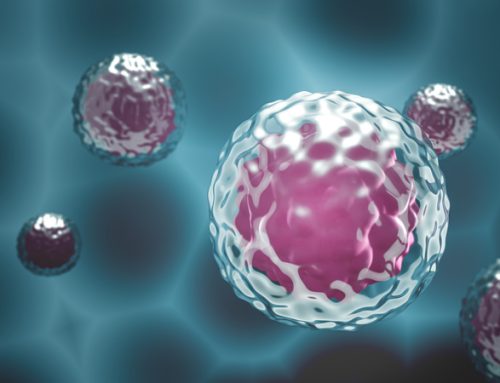
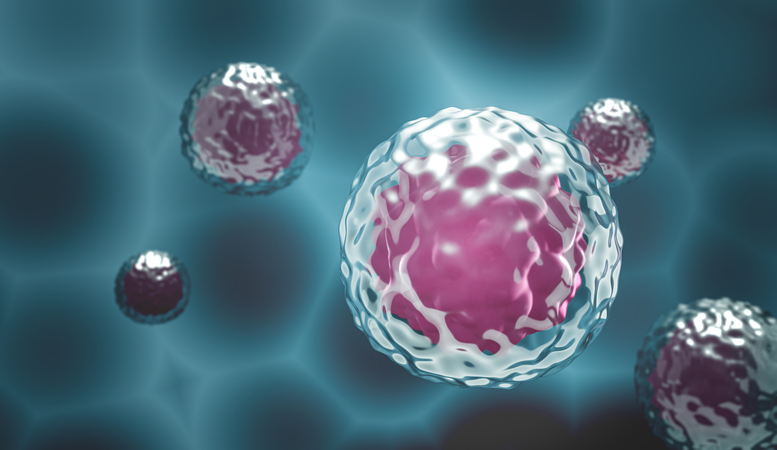
Stem cells are unique cells in that they have the ability to renew themselves indefinitely. In addition, they are able to develop into any other type of cell within the body. Their function is to repair and regenerate tissue damage resulting from injury, disease, or aging. Stem cells originate primarily in the bone marrow. The bone marrow stores stem cells. To a lesser extent, stem cells can develop in other tissues. In a process called homing, stem cells travel in the blood circulation from the bone marrow to other tissues. Somehow, stem cells recognize when other cells are damaged. The stem cells arrive and promote tissue repair and regeneration [Biehl & Russell 2009].
How do stem cells repair damage?
As noted above, injured tissue releases various chemical signals. These signals cause stem cells to migrate to the injury site. In addition to differentiating and replacing damaged cells directly, stem cells release their own chemical signals. Through these chemical signals, the stem cells accelerate healing, stimulate the growth of new blood vessels (angiogenesis), and reduce programmed cell death (apoptosis). Moreover, stem cells suppress harmful inflammation and modulate the immune system. They reduce scarring and promote better tissue regeneration [Biehl & Russell 2009].
What is regenerative medicine?
Regenerative medicine involves the therapeutic use of stem cells. A number of clinical trials are in progress to evaluate the potential of stem cell therapy for conditions such as diabetes, neurodegenerative disorders, and cancer [Seetharaman 2019].
What are examples of the therapeutic use of stems cells?
- the use of pancreatic islet cells derived from stem cells to restore insulin production in type 1 diabetes
- the transplantation of stem cell-derived dopamine neurons to improve motor function in Parkinson’s disease
- the transplantation of haematopoietic stem cells for the treatment of leukemia, lymphoma, and myeloma
Can stem cells themselves be damaged?
Yes, while stem cells are responsible for repairing damaged tissues, they are themselves susceptible to damage by internal metabolic and external environmental and lifestyle factors. Obviously, damage to stem cells affects their ability to self-renew and to differentiate.
What are examples of factors affecting stem cell function?
- the effects of environmental toxins such as pesticides and industrial chemicals
- the effects of medical procedures such as chemotherapy
- the effects of lifestyle factors such as diet, smoking, and obesity
- the effects of aging
Do stem cells contain mitochondria?
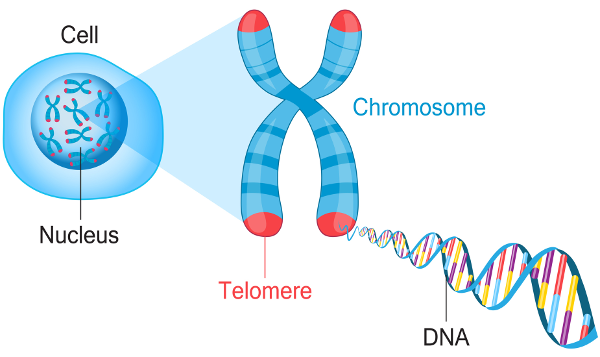
As with most other cell types, stem cells contain mitochondria. Stem cell mitochondria can become dysfunctional. Then, mitochondrial dysfunction leads to impaired cellular energy generation and increased oxidative stress. Similarly, as with other cell types, the telomeres protecting the ends of stem cell chromosomes are subject to damage (telomere shortening).
How does Coenzyme Q10 benefit stem cells?
Coenzyme Q10 (CoQ10) can promote the normal functioning of stem cell mitochondria. CoQ10 can protect stem cell chromosome telomeres from shortening.
One of the principal ways in which stem cells are damaged by the above-mentioned external factors is via the adverse effects on stem cell mitochondria. Dysfunction of stem cell mitochondria results in impaired cellular energy supply, increased oxidative stress, and increased apoptosis.
- CoQ10 enhances ATP production, providing the energy needed for stem cell proliferation. In so doing, it enhances basal respiration and spare respiratory capacity. These are key indicators of fitness and metabolic health in older, senescent stem cells [Park 2012].
- Acting as a potent antioxidant, CoQ10 helps maintain the self-renewal and differentiation capacities of stem cells, e.g., such as mesenchymal stem cells and neural stem cells. Too often, these stems decline because of high levels of reactive oxygen free radical species (ROS).
- CoQ10 lowers the level of intracellular and mitochondrial ROS, which are the main factors driving stem cell aging.
- With regard to apoptosis, CoQ10 promotes stem cell survival by its effect on cellular signalling pathways, by promoting cellular survival signals, e.g., Bcl-2), and by inhibiting cell death signals (e.g. caspase-3).
Can combined CoQ10 and selenium supplementation slow down telomere shortening?
From the KiSel-10 study, there is evidence that CoQ10 combined with selenium helps slow down telomere shortening and stem cell aging. Briefly, the KISEL-10 study was a long-term randomized controlled clinical trial enrolling elderly community living study participants [Alehagen 2018]. The researchers administered daily supplementation with 200 mg of CoQ10 and 200 mcg of organic selenium or matching placebos for four years. The combined supplementation was significantly associated with less telomere shortening in leukocytes, a proxy for telomere shortening in most other cell types [Opstad 2022].
Conclusions: CoQ10 and stem cells
Adequate intakes of CoQ10 are important for maintaining healthy stem cell function.
CoQ10 plays a central role in mitochondrial energy production and antioxidant defense.
Stem cells rely on consistent ATP production and on oxidative stress control.
Aging-related declines in CoQ10 levels contribute to reduced stem cell performance and regenerative capacity.
It is important to buy a CoQ10 supplement with documented absorption. Sub-optimal CoQ10 supplements will not help stem cell function.
Sources
Alehagen U et al. Still reduced cardiovascular mortality 12 years after supplementation with selenium and coenzyme Q10 for four years: A validation of previous 10-year follow-up results of a prospective randomized controlled trial. PLoS One. 2018;13:e0193120.
Biehl JK, Russell B. Introduction to stem cell therapy. J Cardiovasc Nurs. 2009;24(2):98–103.
Opstad TB et al. Selenium and Coenzyme Q10 intervention prevents telomere attrition, with association to reduced cardiovascular mortality: A sub-study of a randomized clinical trial. Nutrients. 2022;14:3346.
Park J et al. Coenzyme Q10 protects neural stem cells against hypoxia by enhancing survival signals. Brain Res. 2012;1478:64–73.
Seetharaman R et al. An overview on stem cells in tissue regeneration. Curr Pharm Des. 2019;25(18):2086–2098.
The information in this review article is not medical advice. Readers should not regard it as such.





Leave A Comment