

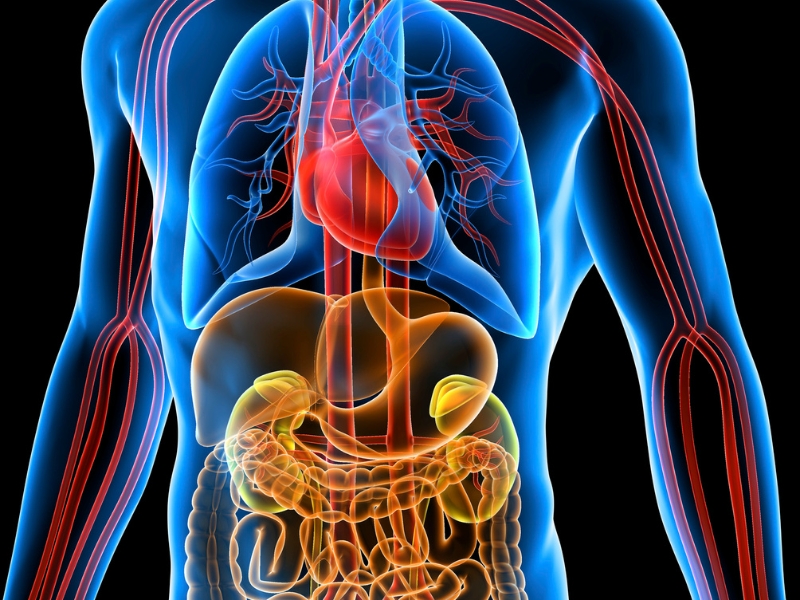
What are the main types of respiratory disorder?
Respiratory disorders are broadly divided into obstructive disorders, restrictive disorders, respiratory infections, and respiratory related vascular disease.
Obstructive disorders
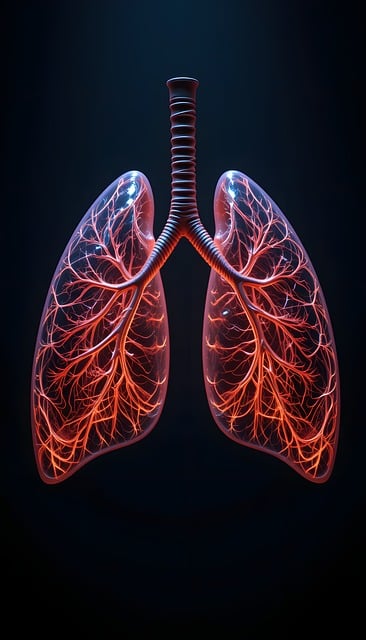
Supplementary Coenzyme Q10 may benefit individuals who suffer from respiratory disorders.
A difficulty in exhaling air from the lungs characterizes obstructive disorders. Typically, the cause is narrowed, damaged or blocked airways. The inability to exhale fully leads to the trapping of air in the lungs. In turn, this leads to increased residual volume and reduced ability to empty the lungs during exhalation. As a result, the patient experiences shortness of breath, particularly during exertion.
Examples of obstructive disorders include chronic obstructive pulmonary disease (COPD) and asthma. COPD comprises a group of disorders including emphysema (damaged alveoli) and bronchitis (inflammation of the airways). Chronic inflammation and narrowing of the airways are characteristics of asthma. Frequently, asthma is triggered by allergies or irritants.
Restrictive disorders
A stiffening of lung tissue characterizes restrictive disorders. In these disorders, it is difficult for the lungs to expand. In consequence, there is reduced intake of air into the lungs and shortness of breath. Examples of restrictive lung disorders include pulmonary fibrosis and asbestosis.
Respiratory infections
Bacteria, viruses, or fungi cause respiratory infections. Then, the infections cause swelling, inflammation, or fluid buildup. The common cold is an example of an upper infection of the respiratory tract. Pneumonia is an example of a lower infection of the respiratory tract.
Vascular disorders
Disorders that affect the blood vessels supplying the lungs cause issues with oxygen uptake. Often, these disorders adversely affect heart function. Examples of vascular disorders include pulmonary hypertension and pulmonary embolism.
What are the causes of respiratory disorders?
There are numerous causes of respiratory disorders:
- smoking
- occupational exposure to toxic chemicals or dust
- genetic factors such as alpha-1 antitrypsin deficiency
Note: Exposure (both active and passive) to tobacco smoke is a predominant cause of COPD. It accounts for an estimated 90% of cases.
The long-term inhalation of hazardous substances at work is a major risk factor for pulmonary disorders. Gradually, exposure over a longer period can lead to occupational asthma, chronic bronchitis, and other diseases.
The following occupations involve high risk for respiratory disorders:
- construction
- engineering
- farming
- mining
Alpha-1 antitrypsin deficiency is a genetic condition. In this condition, the liver does not produce sufficient levels of the alpha-1 antitrypsin protein. That is the protein that protects the lungs from damage from inflammation and irritants.
What are the causes of respiratory disease at the cellular level?
In the development of respiratory disorders, there is evidence for mitochondrial dysfunction. Subsequently, there are adverse health outcomes:
- reduced cellular energy supply
- increased oxidative stress
- increased inflammation
Thus, aberrant mitochondrial function is an early marker for disorders such as COPD, pulmonary fibrosis, and pulmonary arterial hypertension [Zhou et al, 2021].
Can CoQ10 benefit respiratory disorders?
In a number of pulmonary disorders, researchers have investigated the potential benefit of CoQ10 supplementation. In their research, they have studied asthma, COPD, COVID, and influenza. As noted above, there is evidence for mitochondrial dysfunction, oxidative stress, and inflammation in the pathogenesis of COPD. Accordingly, Zozina et al have suggested a potential therapeutic role for supplementation with CoQ10 [Zozina et al, 2021]. Blood levels of CoQ10 are reportedly decreased in COPD patients [Tanrikulu et al, 2011].
CoQ10 and COPD
To date, there have been two randomized controlled trials supplementing CoQ10 in COPD [Satta et al, 1991; DiBenedetto et al, 2018)]. Both studies showed a significant improvement in respiratory function following CoQ10 supplementation.
CoQ10 and COVID
In COVID-19 infections, research shows a role for mitochondrial dysfunction [Gvozdjakova et al, 2020]. Patients with COVID-19 have significantly reduced CoQ10 levels and reduced blood platelet mitochondrial function [Sumbalova et al, 2022]. Mantle & Hargreaves [2021] have reviewed the potential role of supplemental CoQ10 in the management of COVID-19 patients.
CoQ10 and Influenza
In patients with influenza, blood CoQ10 levels are reportedly reduced in both seasonal and pandemic (H1N1) forms [Kelekci et al, 2012; Chase et al, 2019]. To date, there have been no randomized controlled trials supplementing CoQ10 in influenza.
CoQ10 and Asthma
Blood levels of CoQ10 are reduced in asthma patients [Gazdik et al, 2002]. As might be expected, asthma is characterized by increased oxidative stress and inflammation of the airways. Supplementation with CoQ10 (100 mg/day for 4 weeks) improved air flow in asthmatic patients [Comhair et al, 2015].
CoQ10 and Pulmonary Fibrosis
Some research shows low CoQ10 levels in the blood of patients with pulmonary fibrosis. Nevertheless, there have been no clinical studies to date to evaluate the potential benefit of supplementary CoQ10 in this disorder.
However, there is evidence that CoQ10 could benefit the effectiveness of transplanted stem cells used in the treatment of pulmonary fibrosis. Please see the May 15th q10facts.com article on CoQ10 and stem cells. A small clinical study reported improved cardiac function following CoQ10 supplementation in patients with pulmonary hypertension [Sharp et al, 2014].
Conclusions: CoQ10 and Respiratory Disorders
Reduced cellular energy supply, increased oxidative stress, and increased inflammation are associated with the development of respiratory disorders.
Supplementary CoQ10 can promote better ATP energy generation and better antioxidant and anti-inflammatory protection.
The choice of the CoQ10 supplement can be decisive [Lopez-Lluch 2019].
- The commercially available CoQ10 supplements are not all equally absorbed.
- It is imperative to buy a CoQ10 supplement with scientifically documented absorption and bioavailability.
Sources
Chase M et al. Coenzyme Q10 in acute influenza. Influenza Other Respir Viruses. 2019;13(1):64-70.
Comhair SA et al. Coenzyme Q10 in asthma. Am J Respir Crit Care Med. 2015;191(11):1336-8.
De Benedetto F et al. Supplementation with Qter and Creatine improves functional performance in COPD patients on long term oxygen therapy. Respir Med. 2018;142:86-93.
Gazdík F et al. Decreased levels of coenzyme Q10 in patients with bronchial asthma. Allergy. 2002;57(9):811-4.
Gvozdjakova A et al. Is mitochondrial bioenergetics and coenzyme Q10 the target of a virus causing COVID-19? Bratisl Lek Listy. 2020;121(11):775-778.
Hargreaves IR, Mantle D. COVID-19, coenzyme Q10 and selenium. Adv Exp Med Biol. 2021;1327:161-168.
Kelekçi S et al. The relationships between clinical outcome and the levels of total antioxidant capacity (TAC) and coenzyme Q (CoQ10) in children with pandemic influenza (H1 N1) and seasonal flu. Eur Rev Med Pharmacol Sci. 2012 Aug;16(8):1033-8.
López-Lluch G et al. Bioavailability of coenzyme Q10 supplements depends on carrier lipids and solubilization. Nutrition. 2019 Jan;57:133-140.
Satta A et al. Effects of ubidecarenone in an exercise training program for patients with chronic obstructive pulmonary diseases. Clin Ther. 1991 Nov-Dec;13(6):754-7.
Sharp J et al. Coenzyme Q supplementation in pulmonary arterial hypertension. Redox Biol. 2014;2:884-91.
Sumbalova Z et al. Platelet mitochondrial function and endogenous coenzyme Q10 levels are reduced in patients after COVID-19. Bratisl Lek Listy. 2022;123(1):9-15.
Tanrikulu AC et al. Coenzyme Q10, copper, zinc, and lipid peroxidation levels in serum of patients with chronic obstructive pulmonary disease. Biol Trace Elem Res. 2011;143(2):659-67.
Zhou WC et al. Mitochondrial dysfunction in chronic respiratory diseases: implications for the pathogenesis and potential therapeutics. Oxid Med Cell Longev. 2021;2021:5188306.
Zozina VI et al. Coenzyme Q10 in COPD: An unexplored opportunity? COPD. 2021;18(1):114-122.
The information presented in this review article is not medical advice. Readers should not regard the article as medical advice.








Leave A Comment