

What are the quality criteria for evaluating CoQ10 supplements?
Firstly, has the manufacturer produced the supplement to pharmaceutical standards?
Pharmaceutical standards
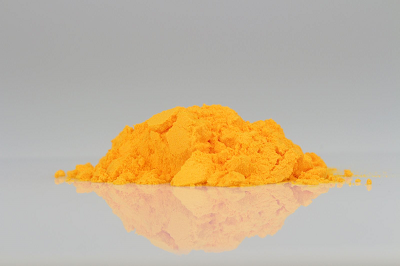
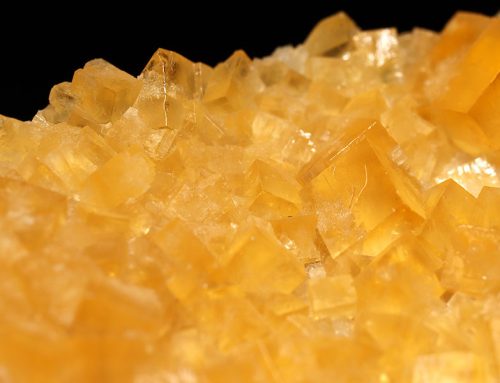
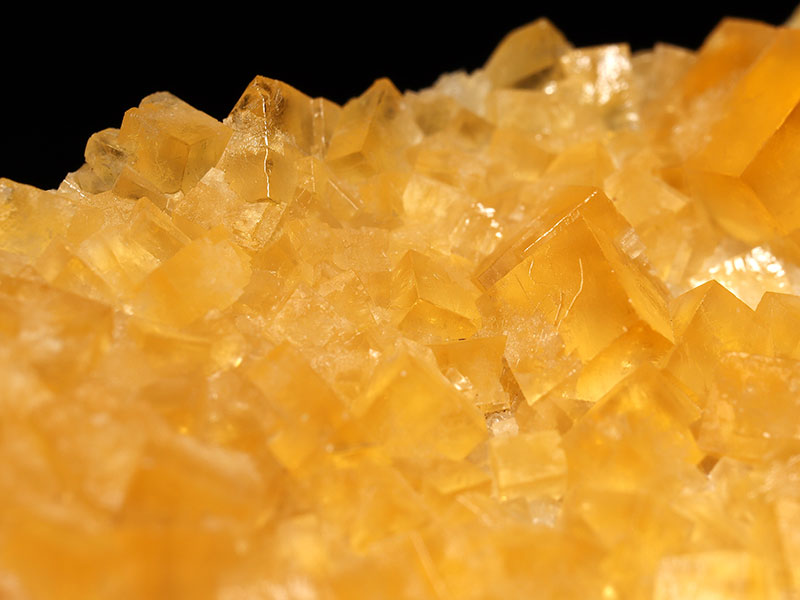
The supplement manufacturer receives CoQ10 raw material in the form of polymorphic crystals. The gastro-intestinal tract will not absorb CoQ10 crystals. The manufacturing process must dissolve the CoQ10 crystals to individual CoQ10 molecules.
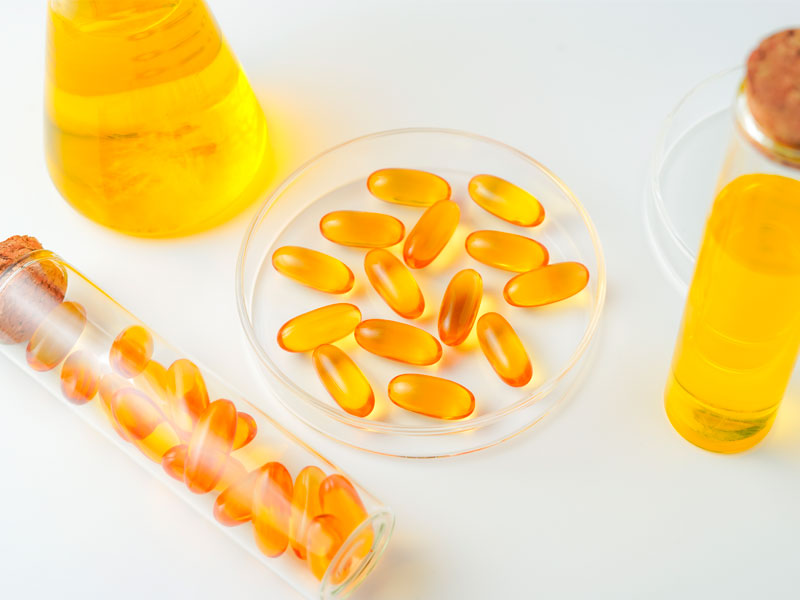
Different regulations apply to the manufacture of medicinal products and the manufacture of nutritional supplements. Manufacturers must produce medicinal products to exacting standards. The standards address both the various steps in the manufacturing process and the characteristics of the finished product. In addition, the standards address other factors such as subsequent product distribution. Thus, compliance with the standards is known as “manufactured to pharmaceutical standards”.
Good manufacturing practice (GMP)
By contrast, manufacturers of nutritional supplements need only comply with general food safety regulations. The food safety regulations are not as strict as the standards for pharmaceutical products. Yes, some manufacturers promote their supplements as being produced to GMP standards. However, GMP standards are not the same as pharmaceutical standards.
GMP alone not sufficient
GMP defines the minimum requirements that a manufacturer must meet in the manufacturing process. Pharmaceutical standards relate to the entire process of product production. Thus, pharmaceutical standards include GMP together with product specifications, Good Laboratory Practice, and Good Distribution Practice.
CoQ10 manufactured to pharmaceutical standards
Logically, we can apply the following ranking to CoQ10 supplements:
- Best product quality: supplements manufactured to pharmaceutical standards
- 2nd best product quality: supplements produced to GMP standards
- 3rd best product quality: supplements produced to general food safety standards
Note: Upon request from customers, companies should provide certificates of analysis for individual product batch numbers.
Secondly, has the manufacturer tested the bioavailability of the CoQ10 supplement?
Bioavailability is the proportion of an ingested substance that reaches the blood circulation following absorption from the digestive tract. Because of its chemical structure and extreme hydrophobicity, CoQ10 has low bioavailability, on the order of 10% for the very best supplements.
Lopez-Lluch study of CoQ10 bioavailability
For optimizing bioavailability, the formulation of the CoQ10 supplement is of key importance. In this regard, the clinical study by Lopez-Lluch and colleagues [2019] is of particular note. In the study, the researchers tested the bioavailability of seven CoQ10 supplements. The seven CoQ10 supplements differed in their formulations. For example, they had different CoQ10 crystal dispersion status, different types of carrier oil, different composition of excipients, and different CoQ10 oxidation state.
Lopez-Lluch et al administered a single 100 mg dose to the same group of 14 healthy individuals. For the individual administrations, they used a crossover/washout protocol. They quantified the bioavailability of the different formulations in plasma as the area under the curve at 48 hours.
Patented crystal dispersion process
The researchers reported an optimum bioavailability for a CoQ10 supplement in ubiquinone form. The manufacturer had subjected this ubiquinone supplement to a patented thermal CoQ10 crystal dispersion process. Here, it is important to note that the CoQ10 raw material supplied to supplement manufacturers comes in the form of polymorphic crystals. The human digestive tract cannot absorb these CoQ10 crystals. Consequently, the CoQ10 supplement manufacturer must process the crystals so that they dissolve into individual CoQ10 molecules. Then, the CoQ10 molecules must remain fully dissociated throughout the shelf life of the supplement. At body temperature, the CoQ10 molecules must be dissolved from the raw material crystals if absorption should take place.
Formulation of the CoQ10 supplement more important than the form
The Lopez-Lluch clinical study demonstrated the superior bioavailability of the ubiquinone form of CoQ10 to the ubiquinol form when the manufacturer had used the crystal dispersion process. The comparative bioavailability showed that the formulation of the CoQ10 supplement is more important than the form of the supplement, i.e., whether ubiquinone form or ubiquinol form [Lopez-Lluch 2019].
Thirdly, has the manufacturer tested the efficacy and safety of the supplement?
Randomized, double-blind, placebo-controlled clinical trials represent the gold standard for determining the efficacy and safety of medical treatments and nutritional supplements. In this type of study, researchers randomly assign study participants to receive either the active treatment (supplemental CoQ10) or a placebo control substance. Until the study is completed, neither the study participants nor the research staff know which substance each person is receiving. The double blinding systematically eliminates the possibility of human bias affecting the outcome of the study.
To date, the database Medline indexes more than 700 randomized controlled clinical trials of CoQ10 as a treatment substance. Researchers have investigated the efficacy and safety of CoQ10 supplements in a range of clinical disorders. None of these studies report any serious adverse effects resulting from CoQ10 administration.
Evidence of clinical efficacy – Q-Symbio study and KiSel-10 study
In the Q-Symbio study, Mortensen et al showed that treating patients with heart failure with 300 mg CoQ10 per day for 2 years showed improved symptoms and reduced risk of cardiovascular related mortality [Mortensen 2014].
A second example is the KiSel-10 study in which normal elderly community living citizens supplemented with 200 mg CoQ10 and 200 mcg selenium per day for 4 years showed a 54% reduction in cardiovascular mortality [Alehagen 2013].
Conclusion: CoQ10 and quality criteria
CoQ10 supplements are affordable, effective, and safe. However, there is considerable difference in the quality of commercially available CoQ10 products [Lopez-Lluch 2019].
Too often, unproven marketing claims predominate over evidence from clinical trials [Judy 2021].
Sources
Alehagen U et al. Cardiovascular mortality and N-terminal-proBNP reduced after combined selenium and coenzyme Q10 supplementation: a 5-year prospective randomized double-blind placebo-controlled trial among elderly Swedish citizens. Int J Cardiol. 2013;167(5):1860-6.
Judy WV. The Instability of the lipid-soluble antioxidant ubiquinol: part 3-misleading marketing claims. Integr Med (Encinitas). 2021 Dec;20(6):24-28.
López-Lluch G et al. Bioavailability of coenzyme Q10 supplements depends on carrier lipids and solubilization. Nutrition. 2019;57:133-140.
Mortensen SA et al. The effect of coenzyme Q10 on morbidity and mortality in chronic heart failure: results from Q-SYMBIO: a randomized double-blind trial. JACC Heart Fail. 2014;2(6):641-9.
The information in this review article is not medical advice. Readers should not use the information as medical advice.


Leave A Comment